The numbers tell an amazing story. Companies that use AI sales agents qualify leads 10 times faster and boost their win rates by up to 30%. This makes a huge difference since sales representatives spend just 34.2% of their time on actual selling.
The digital world demands powerful sales pipeline management tools to succeed. The AI agents market sits at USD 5.40 billion in 2024 and will soar to USD 50.31 billion by 2030, growing at an impressive CAGR of 45.8%. On top of that, 83% of sales reps who used AI agents to generate leads saw real results compared to those who didn't.
This piece will show you how AI sales pipeline tracking tools reshape the scene of revenue generation through automated prospecting, outreach, and lead qualification. We'll guide you through every step of the AI agent sales workflow - from spotting high-intent prospects to scaling across your organization. The goal? To help you boost revenue while cutting down manual work.
Stage 1: Lead Generation with AI Agents
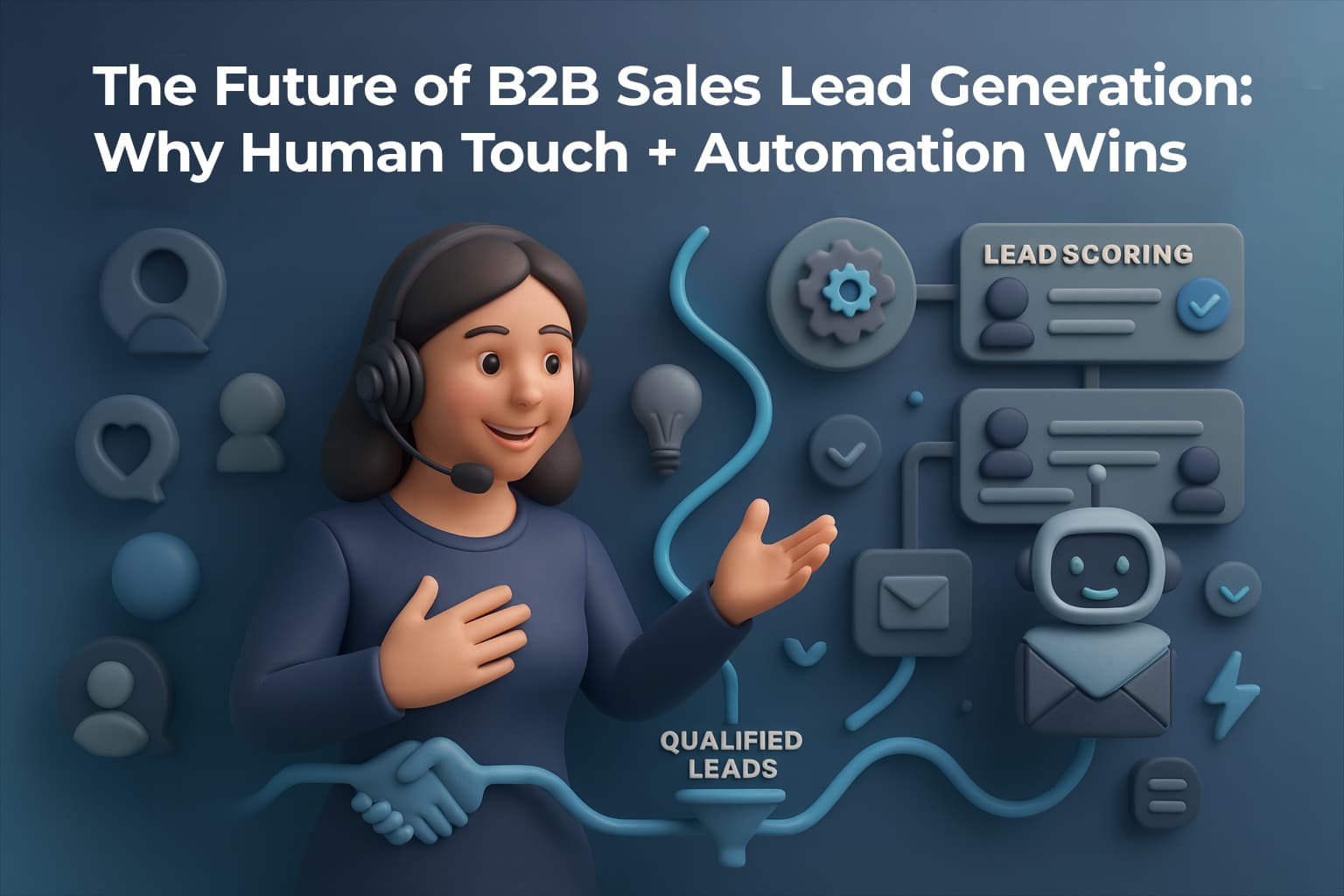
B2B sales reality hits hard—only 3% of your total addressable market looks for a solution at any time. AI agents have become vital in modern sales pipeline management tools. They change how teams spot and connect with prospects who show real buying intent.
- Using AI to identify high-intent prospects
AI shines at analyzing billions of intent signals from multiple sources to find prospects ready to buy. These systems look at:
- Website behavior (visits to pricing pages, product demos)
- Search activity related to industry solutions
- Content engagement with relevant materials
- Firmographic and technographic data
Modern AI sales pipeline tools go beyond simple demographic information. They track digital body language—behavioral patterns that show purchase readiness. General outbound leads convert at rates below 2%. High-intent leads typically convert between 15-25%. This makes proper identification vital for streamlined processes.
- Automated data enrichment and list building
AI has changed how we enhance lead information through data enrichment. The process has these steps:
- Collecting data from various sources (public databases, social media, business directories)
- Classifying and organizing information into useful formats
- Appending new data to existing records
- Proving it right across multiple sources
- Integrating enriched data with your sales pipeline tracking tool
AI can enrich detailed data including contact information, company details, social media profiles, behavioral data, and intent signals. Machine learning makes lead enrichment more accurate over time.
- Best tools for AI-powered lead generation
|
Tool
|
Key Features
|
Best For
|
|
Cognism Cortex AI
|
74% faster prospecting, data validation, natural language search
|
B2B list building
|
|
SalesWings
|
Lead scoring, first-party intent detection
|
Salesforce users
|
|
Zymplify
|
Multi-source intent analysis, automatic prioritization
|
Market segmentation
|
|
LeadBeam.ai
|
Live enrichment with firmographics and technographics
|
Field sales teams
|
|
Datagrid
|
Data connectors, automatic updates, lead scoring
|
Data integration
|
AI-powered sales pipeline tools save hours of manual research and improve lead quality by a lot. Sales teams can focus on building relationships and closing deals with prospects ready to buy while AI handles repetitive tasks of lead identification and enrichment.
Stage 2: Outreach and Engagement Automation
Sales teams achieve up to 60% open rates and 1-5% response rates through personalized email outreach. AI-driven engagement automation now connects quality leads to revenue opportunities as sales pipeline tools evolve.
- Crafting personalized messages at scale
Personalization means much more than just adding a prospect's name. McKinsey reports that irrelevant content turns away more than 75% of consumers. Modern sales pipeline management tools provide solutions through:
- AI-powered data analysis - Analyzing prospect information from multiple sources including LinkedIn, company websites, and previous interactions
- Dynamic content generation - Creating message variations based on individual prospect traits
- Context-aware communications - Adding industry trends, company news, and specific pain points
Results show a clear difference. Generic bulk emails receive only 2.4% open rates. Personalized messages get opened ten times more often. Decision-makers prefer tailored emails 80% of the time, making personalization vital to pipeline management.
- AI-driven email and LinkedIn outreach
Modern sales pipeline tools combine messaging across multiple platforms:
|
Platform
|
Key AI Features
|
Best For
|
|
Reply.io
|
AI variables, multi-channel integration
|
LinkedIn automation & call integration
|
|
Saleshandy
|
AI variants, bounce detection, reply categorization
|
Email deliverability & spam prevention
|
|
Lemlist
|
Sequence creation, AI personalization
|
Multi-channel campaigns
|
|
Outreach.io
|
Smart Email Assist, AI agents
|
Pipeline inspection & forecasting
|
These tools blend LinkedIn activities like connection requests, messages, and profile engagement. Companies using these sales pipeline tracking tools generate 1.3 times more revenue than those without AI.
- Follow-up sequencing and timing optimization
Perfect timing in follow-ups significantly boosts conversion rates. Research analyzing over 12 million prospects shows conversion rates drop threefold after two days without buyer response. The data highlights:
- Contact prospects nine times across multiple channels (4 emails, 3 calls, 2 LinkedIn messages) within 14 days
- The first two weeks matter most - 92% of interested buyers respond during this time
- AI analyzes engagement patterns to find the best timing for each prospect
AI-driven timing optimization boosts open rates by 20-30% and improves conversions up to 15%. Teams using AI-enhanced follow-up processes see 35% more lead-to-MQL conversions while spending 84% less time.
Stage 3: Qualification, Coaching, and Forecasting

AI-powered qualification, coaching, and forecasting reshape how you turn prospects into revenue after leads enter your pipeline. Teams report better lead prioritization 98% of the time when AI lead scoring removes guesswork.
- AI in lead scoring and qualification
AI scoring systems analyze prospects dynamically, unlike traditional lead scoring that depends on rigid rules and human intuition. These systems look at:
- Behavioral patterns: Website visits, content downloads, email engagement
- Historical conversion data: Comparing new leads to past successful deals
- Digital body language: Engagement metrics that indicate buying intent
Scores typically range from 0-100 as these systems keep improving their accuracy. Companies see over 50% more leads and appointments after implementing AI lead scoring. Lead qualification time drops by about 30%.
- Real-time sales coaching with conversation intelligence
AI conversation intelligence reshapes sales development through:
- Live call analysis: Dissecting tone, pacing, and word choice during customer interactions
- Instant feedback: Providing guidance on objection handling and closing strategies
- Practice simulations: Creating risk-free environments for skill development
AI delivers immediate guidance right when needed, unlike traditional coaching that happens days after calls. Teams that use AI for coaching see 15-20% higher win rates. Their sales cycles shrink by more than a third.
- Forecasting accuracy with AI signal processing
AI forecasting systems boost revenue predictability by:
- Cutting forecast errors by 20-50% compared to traditional methods
- Reaching up to 95% accuracy in pipeline predictions
- Updating projections with up-to-the-minute signals
Sales pipeline tools review subtle patterns across thousands of data points, moving beyond static quarterly reviews. Neural networks adapt to changing conditions constantly. This gives sales leaders clear visibility into deal health and timing.
Stage 4: Measuring Success and Scaling AI Workflows
AI sales agents need a strategic approach that is different from traditional sales metrics for measurement and scaling. Companies have found that generative AI use cases meet or exceed expectations 80% of the time. However, only 23% of organizations can connect these initiatives to revenue or cost improvements.
- Key metrics to track AI agent performance
AI measurement needs specialized KPIs instead of traditional metrics like call counts:
- Model metrics: Drift, accuracy, misclassification profiles, calibration patterns
- Workflow metrics: Routing fidelity, SLA adherence, cadence triggers, queue aging
- Behavior metrics: Usage patterns, override trends, coaching interactions
- Business metrics: Uplift, velocity gains, margin expansion, cost reduction
Companies with reliable KPI architecture can see how well AI works and how well their organization adapts to it. Live dashboards show performance drift and signal when the system needs retraining.
- How to scale from pilot to full deployment
A well-laid-out four-phase approach helps successful scaling:
- Pilot Cell: Pick 1-2 territories to maximize learning, not just uplift
- Controlled Expansion: Include similar territories to verify repeatability
- Patterned Rollout: Expand region by region using standardized playbooks
- Global Fabric: AI becomes part of planning cycles and coaching rituals
Leading companies create "agent factories" – dedicated hubs that standardize how they build, deploy, and govern agents throughout the organization.
- Avoiding common mistakes in AI sales adoption
AI pilots often fail because they lack clear business objectives—30% of projects stall due to unclear expectations. Here's how to prevent this:
- Set specific business goals beyond model accuracy
- Get active leadership sponsorship for AI initiatives
- Keep human oversight while automating with AI—companies that use AI for agentic workflow automation are twice as likely to report exceeded goals
- Focus on data quality—poor data costs organizations $12.90 million annually
- Provide proper training—only 39% of people using AI at work have received AI training
The real difference comes from human capability as roles change from completing tasks to supervising and improving work processes.
Key Takeaways
AI agents are revolutionizing sales workflows by automating lead generation, outreach, and qualification processes, enabling companies to achieve up to 30% higher win rates while reducing manual effort.
- AI identifies high-intent prospects 10x faster - Only 3% of your market is actively buying, but AI analyzes billions of signals to find prospects ready to purchase with 15-25% conversion rates.
- Personalized outreach at scale drives 60% open rates - AI-powered messaging achieves 10x better performance than generic emails by analyzing prospect data and creating context-aware communications.
- Real-time coaching and forecasting improve accuracy by 50% - AI conversation intelligence provides instant feedback during calls while reducing forecast errors by 20-50% through continuous signal processing.
- Structured scaling prevents 30% of AI pilot failures - Success requires clear business objectives, leadership sponsorship, and a four-phase rollout from pilot to global deployment.
- Focus on specialized KPIs, not traditional metrics - Track model accuracy, workflow routing, behavior patterns, and business uplift rather than basic activity counts to measure true AI impact.
The key to success lies in balancing AI automation with human oversight, as roles evolve from task completion to supervising and improving AI-driven workflows for maximum revenue generation.



 by
by