AI-powered voice agents and hotel chatbots have become must-have tools for modern properties. The stats back this up - 70% of guests find chatbots helpful, and 58% believe AI can make their hotel stay better. Choice Hotels shows what's possible. They saved almost $2 million in support costs in just eight months. On top of that, these chatbots fill a crucial gap. While 61% of guests would pay more for tailored service, only 23% say they actually get it.
Let's look at how hotel chatbots are reshaping guest interactions. The numbers speak for themselves - 78% of travelers are more likely to book places that offer tailored experiences. We'll walk you through the practical steps to bring these AI solutions to your property. Hotel booking chatbots can help you make guests happier, run smoother operations, and boost your bottom line.
What are AI chatbots and voice agents in hospitality?
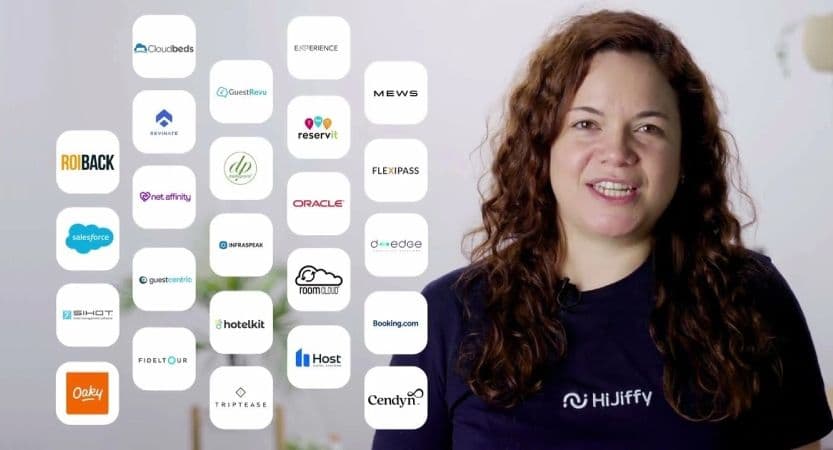
Image Source: HiJiffy
AI chatbots and voice agents have grown from basic automated responders into smart virtual assistants that talk like humans. These digital concierges welcome guests first on websites, messaging apps, and phone systems.
- How do hotel chatbots work?
Hotel chatbots use Natural Language Processing (NLP) technology to understand what guests ask and give them the right answers. The system works in a few simple steps:
- A guest sends a question
- NLP technology figures out what they want and need
- The system checks its database of hotel information
- The guest gets an answer that matches their request
Advanced hospitality chatbots also work with Property Management Systems (PMS) and other hotel systems to get live data about rooms, guest priorities, and services. This setup helps them give correct, current information that builds trust with guests.
- What is a voice agent in a hotel setting?
A voice agent works as an AI-powered call handler for hotels. Unlike old phone systems, these smart assistants understand normal speech and talk back naturally.
Smart voice agents like SynXis® Voice Agent and Canary's AI Voice platform do more than just answer questions. They help callers book rooms, make changes, and act as virtual front desk staff that work around the clock. This matters because hotels miss up to 40% of their calls without them.
- Types of chatbots used in hospitality
Hotels use three main types of chatbot technologies:
- Rule-Based Chatbots: These follow set scripts and decision trees to handle basic questions about things like check-in times or parking rules. They're budget-friendly but don't adapt much.
- AI-powered chatbots: These use artificial intelligence, machine learning, and natural language understanding to handle complex requests and give personal responses. They get better over time as they learn from conversations.
- Hybrid Chatbots: These mix rule-based systems with AI smarts. They handle simple questions on their own and smoothly pass harder issues to real staff.
Hotels pick between these options based on what they need, what they can spend, and how they want to treat their guests.
Why are hotels adopting AI chatbots and voice agents?
The hospitality industry now sees AI chatbots and voice agents as must-have tools rather than optional extras. Hotels turn to these technologies to tackle several pressing challenges at once.
- Rising guest expectations for instant service
Today's travelers just need immediate responses and smooth experiences. Recent data shows 58% of guests believe AI can boost their stay. This sets a new bar for service standards. What's more telling is that 61% of consumers will pay extra for individual-specific experiences. Yet only 23% of hotel guests say they receive highly personalized service. This gap presents both a challenge and a chance for hotels.
Tech-savvy guests, especially millennials who travel 35 days yearly compared to 26-29 days for other generations, prefer to help themselves. About 71% of guests now like self-service technology. They want digital communication channels that work on their schedule, not the hotel's.
- Staffing shortages and operational pressure
Hotels face an unprecedented labor crisis. About 67% of hoteliers say they're short-staffed, with 12% showing these shortages severely hurt operations. The situation looks grim as 65% of hotels describe themselves as understaffed despite better wages and benefits.
Front desk teams don't have enough resources. This leads to long check-in lines and slow responses when guests ask questions. These problems create a cycle of lower productivity, unhappy guests, and reduced revenue.
- Cost-saving opportunities through automation
Hotel chatbots bring real financial benefits. Properties can cut customer service costs by up to 30% through automation. To name just one example, virtual agents like Annette™ can handle up to 60% of typical front desk calls. This results in an 87% reduction in call center volume.
AI-powered solutions do more than save money. They generate revenue through faster booking conversions and better upselling chances. Hotels work more efficiently as staff can focus on complex guest interactions instead of routine tasks.
Hotels adopt chatbots as a smart response to market changes. This helps them balance higher guest expectations against operational limits through clever use of technology.
Top 6 ways AI chatbots and voice agents improve hotel operations
AI chatbots in the hospitality industry boost operations in every department. These AI-powered systems make guests happier and profits higher through six key ways.
- 24/7 guest support without extra staff
AI concierge chatbots handle over 85% of typical front desk questions right away. They provide around-the-clock help without raising payroll costs. Hotels that use these systems see far fewer missed bookings after hours. The AI agents give the same quality service whatever the time zone or how busy it gets. Guests get immediate attention even when staff is short.
- Faster check-in and check-out processes
AI makes the digital check-in process quick and smooth. Hotels using self-service check-in find that guests are three times more likely to buy extras. This generates about 70% more revenue per check-in. The systems also check IDs, give mobile keys for room access, and stop lines from forming at the front desk.
- Handling FAQs and room requests
Hotel chatbots quickly take care of routine questions that usually keep staff busy. They answer common questions about check-in times, amenities, and property rules right away. This lets human employees focus on more complex guest needs. Room service orders, housekeeping requests, and maintenance needs go straight to the right departments through PMS integration.
- Tailored upselling and cross-selling
AI-driven upselling spots opportunities based on what guests like and do. Guests who say yes to these tailored offers spend 14% more per booking. Yes, it is smart - chatbots suggest room upgrades, dining spots, and spa packages right when guests are most likely to buy.
- Multilingual support for global guests
Advanced chatbots speak fluently in more than 20 languages. This removes language barriers for international travelers. Guests feel welcome no matter where they're from, and real-time translation stops any mix-ups. Hotels notice higher guest satisfaction scores thanks to this multilingual support.
- Unified data for better decision-making
AI systems unite guest interactions into useful insights. Every chat becomes a data point to analyze trends in common questions, seasonal patterns, and successful upsells. This integrated view helps hotels design better packages, plan staffing, and improve service.
How to implement AI chatbots and voice agents in your hotel
A balanced approach between technology and your property's needs will help you implement hotel chatbots successfully. Your AI solution will deliver the best value for guests and staff when you follow a structured process.
- Choosing the right chatbot platform
You need to assess three main platform options: custom-built solutions work best for large chains with IT teams, hospitality-specific platforms offer quick implementation with pre-built hotel templates, and general platforms with hospitality templates suit smaller properties better. Your platform should have state-of-the-art natural language processing, multilingual support that matches your guest demographics, and detailed analytics dashboards.
- Training the bot with hotel-specific data
A reliable knowledge base with property details, policies, and FAQs comes next. Your chatbot will perform better when you use real guest conversation transcripts about reservations, questions, and complaints for training. This helps the AI understand specific hotel queries about room availability, booking policies, and amenity details.
- Integrating with PMS and CRM systems
The next step connects your chatbot to critical systems. A chatbot becomes "virtually useless" without PMS integration because staff must update availability or reservations manually. The right integration gives immediate access to room availability, rates, guest history, and priorities. Your chatbot can then handle bookings naturally with automatic PMS updates.
- Testing and optimizing guest interactions
Your team should test the chatbot before launch. Put it through different scenarios like booking questions and maintenance requests to find problems. Keep track of important metrics like automation rate (most interactions handled without human help), direct booking increases, and guest satisfaction ratings. to get customized guidance on implementing the right chatbot solution for your property.
Conclusion
AI chatbots and voice agents are revolutionizing hotel service delivery. Without doubt, these technologies help hotels tackle their biggest problems while meeting modern travelers' expectations. AI assistants can handle 85% of typical guest questions and provide support at any hour. This means staff shortages no longer create service gaps.
The financial benefits of AI solutions are clear and measurable. Hotels using these systems save money, get more direct bookings, and boost revenue through customized upselling. Guests who get tailored recommendations spend 14% more per booking. These numbers show the real value AI brings to hotels.
All the same, hotels need careful planning to make this work. Success depends on picking the right platform, building a detailed knowledge base, and making sure everything works smoothly with current systems. Hotels that skip these steps risk making guests more frustrated instead of satisfied.
The sweet spot in hospitality combines innovative technology with real human connection. AI handles routine questions so the core team can create memorable moments that keep guests coming back. with experts to guide your hotel's AI strategy and help you find the right balance.
AI chatbots and voice agents are more than just trendy tools. They're changing how hotels deliver great experiences while managing their resources better. Hotels that welcome these technologies with proper planning will definitely get ahead in an industry where customized service drives success.
Key Takeaways
AI chatbots and voice agents are revolutionizing hospitality by addressing critical staffing shortages while meeting rising guest expectations for instant, personalized service.
- AI handles 85% of front desk queries 24/7, eliminating missed bookings and reducing customer service costs by up to 30% without additional staff.
- Guests using AI-powered check-in are 3x more likely to purchase upsells, generating 70% more revenue per check-in through personalized recommendations.
- Successful implementation requires PMS integration and hotel-specific training - chatbots without property management system connections are "virtually useless" for real operations.
- Multilingual AI support removes communication barriers for international guests while providing consistent service quality regardless of time zones or peak demand.
- Properties report 14% higher revenue per booking from guests who accept AI-generated personalized offers, proving measurable ROI beyond operational efficiency.
The future of hospitality combines AI automation for routine tasks with human staff focused on creating memorable experiences that build lasting guest loyalty.



 by
by