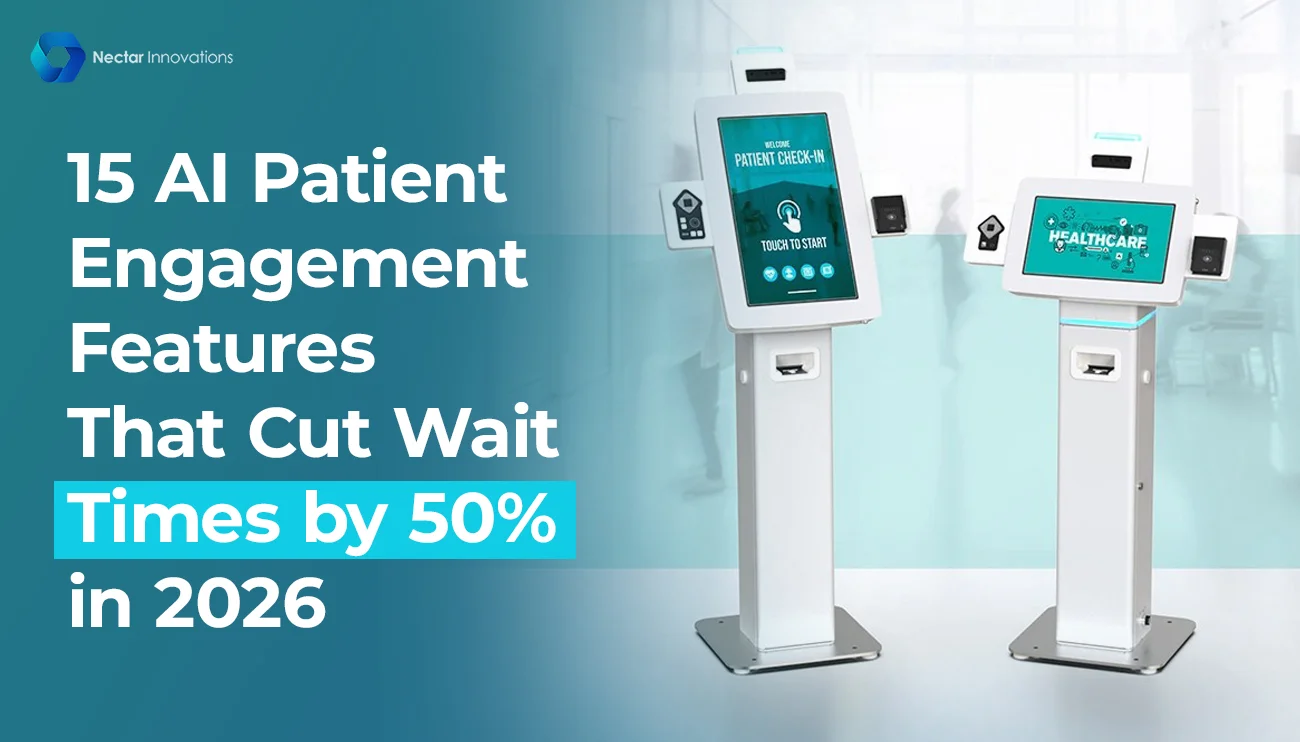
Poor digital experiences drive 40% of patients to look for new healthcare providers. The digital world of patient engagement has evolved beyond basic appointment reminders. Modern digital patient engagement platforms now cut wait times and lead to better care outcomes.
The data speaks volumes. Patients directly self-scheduled 4.1 million appointments through the athenahealth network in 2024. A promising 42% of patients now welcome AI help with their healthcare choices. Healthcare providers like RxPx work with over 500,000 labs across the United States to save lives through expandable human-technology programs.
This piece explores 15 advanced AI patient engagement tools that reduce wait times by up to 50%. These groundbreaking solutions do more than improve efficiency - they alter the way patients and healthcare systems work together, from automated scheduling to immediate analytics.
AI-Powered Appointment Scheduling
Healthcare providers face bottlenecks with old-school scheduling methods. AI-powered appointment scheduling provides a solution that automates bookings, runs 24/7, and uses past data to optimize patient flow.
- Feature Overview
AI appointment scheduling systems revolutionize the way patients book and manage their healthcare visits. These smart systems handle multiple tasks at once:
- They match patients with the right providers based on clinical needs
- They suggest the best time slots based on availability and patient history
- They send automatic reminders to cut down no-shows
- They process cancelations and fill empty slots as they happen
Research shows AI cuts administrative work by up to 50% and boosts provider schedule use by 33%. The systems work round the clock—a vital feature since 40% of healthcare appointments are booked after business hours.
Epic's conversational AI tool stands out by completing appointment scheduling via text in just 20 seconds. Imaging centers that use AI to select protocols have seen their appointment scheduling speed up by 16%.
- How It Reduces Wait Times
AI scheduling makes the trip from booking to care much shorter. A detailed study showed AI brought down median waiting time from 1.97 hours to just 0.38 hours.
Three primary ways AI reduces wait times:
- Pre-visit optimization: AI orders preliminary tests before doctor visits, so patients finish testing before their appointment
- Predictive no-show management: The system spots appointments with high cancelation risk (up to 80%) and adjusts schedules proactively
- Dynamic waitlist management: AI fills slots right away when cancelations happen, which keeps schedules full
Hospitals using AI-driven scheduling have cut wait times by up to 80%. Patient throughput went up by 20% while scheduling conflicts dropped.
You can learn how your practice benefits from AI scheduling by with our experts.
- Best Use Cases
AI appointment scheduling works best in these healthcare settings:
- Urban hospitals: They handle thousands of daily appointments with minimal errors
- Specialty clinics: AI protocol selection helped imaging centers book 15% more appointments per hour
- Mental health practices: Quick filling of last-minute cancelations keeps provider productivity high
- Outpatient services: Shanghai Children's Medical Center used AI pre-visit testing to cut waiting times and lower costs
- Rural healthcare: The system extends scheduling beyond staff hours to improve care access
AI scheduling makes appointments more meaningful by connecting patients with providers based on their expertise, language skills, and past relationships. This creates an uninterrupted patient engagement platform that serves both providers and patients well.
Automated Patient Reminders
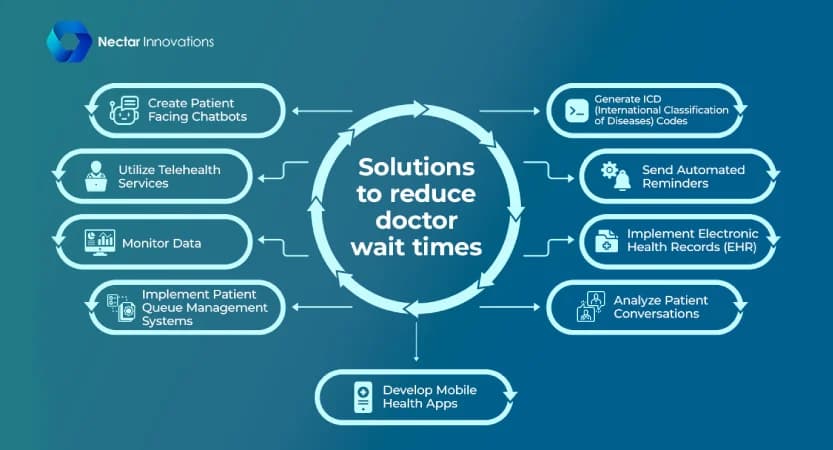
Healthcare industry loses billions yearly due to forgotten appointments, with no-show rates between 12% and 80%. Smart technology now helps keep patients informed through automated reminders that free the staff from repetitive tasks.
- Feature Overview
Automated patient reminders are digital notifications that alert patients about upcoming appointments through their preferred channels. These AI-enhanced systems come with several advantages:
- Multi-channel support: Messages reach patients via SMS (98% open rate), email, or voice calls based on their priorities
- Customization options: Content adapts to provider, location, appointment type, and patient language
- Two-way communication: Patients can confirm, cancel, or reschedule directly from the reminder
- Timing flexibility: The system delivers reminders at optimal intervals (72-hour, 24-hour, same-day)
- EHR integration: Smooth connection with practice management systems
The digital patient engagement tools market is growing faster—from USD 58.82 million in 2021 to an expected USD 128.5 million by 2028.
- How It Reduces Wait Times
Automated reminders cut down patient wait times in multiple ways:
These systems reduce no-shows effectively—one healthcare business saw rates drop from 35% to just 6% after implementation. The systems helped fill 75-85% of canceled appointments with waitlisted patients, which kept patient flow steady.
Staff phone time decreased by 10+ hours weekly and eliminated about 120+ manual reminder calls monthly. This efficiency lets front desk staff focus on patients who are physically present and speeds up check-in processes.
Reminders with pre-appointment instructions help patients arrive prepared. This preparation stops delays from incomplete paperwork, missing documents, or not following procedure-specific protocols.
- Best Use Cases
Automated patient reminders show great outcomes in specific healthcare settings:
- Family practices: A clinic's no-shows dropped by 25% within two months of using SMS reminders, which stabilized revenue and reduced staff phone time.
- Specialty clinics: Providers who sent procedure-specific prep instructions saw last-minute cancelations drop by 20%, which kept scheduling efficient.
- Pediatric settings: Text message reminders with phone calls cut pediatric no-shows by over 14%.
- Imaging centers: Procedure-specific reminders help patients arrive prepared for scans properly, which reduces same-day cancelations and rescheduling delays.
- Multi-location practices: Location-specific reminders with parking information and check-in details help reduce late arrivals that affect scheduling.
Research shows automated reminders work best by combining multiple communication channels, including specific appointment details, and allowing patient interaction—creating a smooth patient engagement experience throughout their care.
Predictive No-Show Analytics
Patient no-shows cost the US healthcare system about $150 billion each year. AI-powered predictive analytics helps identify patients who might miss appointments. This approach works better than traditional reminder systems.
- Feature Overview
Machine learning algorithms can predict which patients might skip their scheduled appointments. These smart models:
- Look at past appointment data and how patients typically behave
- Can spot potential no-shows with up to 86% accuracy
- Sort appointments by risk level (high, medium, or low)
- Work smoothly with existing electronic health record (EHR) systems like Epic
The best models use various machine learning methods. Gradient boost models perform better than others with 85.2% accuracy for no-shows and 92.1% for late cancelations. These systems look beyond simple demographics and consider factors like appointment lead time, previous no-shows, and weather conditions.
Color-coded dashboards show risk levels next to patient contact details, so staff can take action quickly. Unlike basic reminder systems, these tools give specific insights about each patient's risk factors.
- How It Reduces Wait Times
AI-powered no-show prediction models have shown impressive results:
- Direct wait time reduction: Patients wait 5.7 minutes less per visit on average, and some facilities cut total wait times by half
- Improved resource utilization: Clinic staff can manage high-risk appointments better and plan staffing needs
- Significant no-show prevention: No-show rates dropped from 20.82% to 10.25%—a 50.7% improvement
One healthcare center saved 6,456 hours in just three months by spotting high-risk appointments and taking action early. Another saw their no-show rate drop from 38% to 9%.
- Best Use Cases
This technology works especially well in specific healthcare settings:
- Primary care practices: Family doctors use appointment timing data to give shorter wait times to high-risk patients
- Specialty clinics: Results vary by specialty—urology and urogynecology get the most accurate predictions, while cardiology and otolaryngology show mixed results
- Safety-net facilities: These tools help most when serving vulnerable groups who often miss appointments
- Multi-location health systems: MetroHealth reduced no-show rates among Black patients from 42.1% to 35.8% by calling those at high risk
Healthcare organizations get the best results when they combine predictive analytics with targeted actions. Phone calls and patient navigators can cut no-shows by 39-45% for high-risk appointments.
AI Chatbots for Triage and FAQs
In fact 20% of studies reported users would share detailed personal information with chatbots – information they would often hesitate to share with healthcare providers." — Riseapps, AI healthcare development firm, chatbot engagement researcher
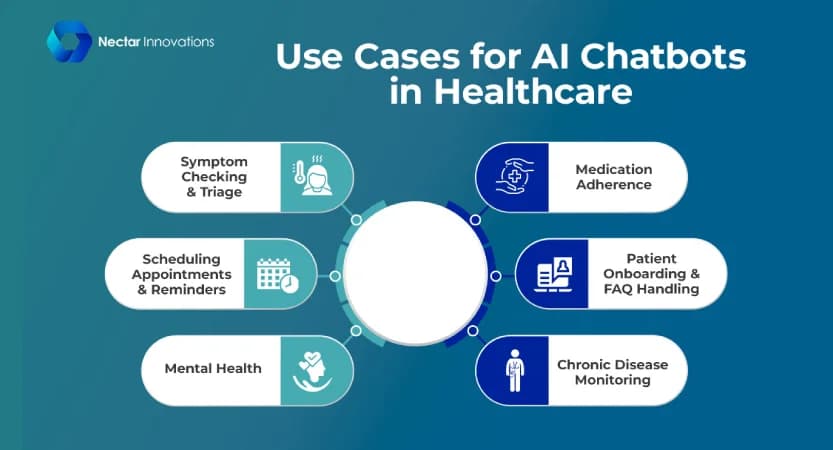
Healthcare facilities now see AI chatbots as essential digital tools that help engage patients, manage triage, and answer common questions. These smart virtual assistants use natural language processing to chat with patients while providing sound medical guidance and support.
- Feature Overview
AI chatbots for triage and FAQs serve as virtual health assistants that:
- Assess patient symptoms through conversational interfaces
- Direct patients to appropriate care levels based on urgency
- Answer common health-related questions instantly
- Schedule appointments and send reminders
- Collect patient information before visits
These systems work around the clock, and patients make 45% of their interactions outside business hours. Modern chatbots blend large language models with clinically tested medical reasoning engines to create human-like conversations and ensure accurate triage decisions.
These AI solutions make the first steps of care easier. They ask patients about symptoms and guide them to the right option—whether self-care, emergency services, or booking a clinical visit. The chatbots then send organized information to physicians, which makes consultations smoother.
- How It Reduces Wait Times
AI chatbots help cut patient wait times in several ways:
- Accurate triage prioritization: Chatbots sort cases by urgency. This ensures critical conditions get immediate attention while routine concerns are handled well
- Administrative automation: The front desk team saves time as chatbots gather patient data, check details, and streamline intake processes
- Preparedness improvement: Patient's paperwork and medical history completion happens before arrival, which eliminates check-in delays
The results have been remarkable. Research shows
AI chatbots can handle up to 80% of routine healthcare questions and reduce consultation wait times by 15%. One healthcare organization saved USD 2.40 million in their first year through new patient revenue and fewer contact center calls.
- Best Use Cases
AI chatbots shine in specific healthcare settings:
Emergency departments benefit from AI triage abilities that match expert physician's decisions closely. Primary care offices use chatbots to assess symptoms and schedule appointments, which reduces unnecessary visits.
Chronic disease management becomes easier when chatbots work with IoT-enabled devices to track patient's vitals in real-time, allowing quick interventions. Mental health services use chatbots to support patients between appointments.
Large health systems with multiple locations find these tools valuable—one system's efficiency improved by 40% after adding chatbot solutions. Medical practices with diverse patient populations also benefit from chatbot's multilingual support, which improves access and satisfaction.
Self-Service Digital Check-In
Patients get frustrated with long wait times at check-in desks in healthcare facilities of all sizes. Self-service digital check-in technology offers a powerful solution that eliminates paper forms and streamlines time-consuming processes.
- Feature Overview
Patients can register for appointments using their own devices before arrival or at the facility through self-service digital check-in. These digital tools help patients:
- Multiple access points: Patients can check in via mobile devices (from home/car), tablets, or self-service kiosks
- Paperless form completion: Demographics, medical history, consent forms, and insurance verification
- Secure payment processing: Copays and outstanding balances collected upfront
- Integration capabilities: Bidirectional EHR interfaces that eliminate manual data entry
Patient priorities strongly back these solutions—64% of patients prefer doctors who offer online check-in and 29% call it a "must-have" service. On top of that, 77% of patients want to complete digital questionnaires about demographics and insurance before their visit.
- How It Reduces Wait Times
Self-service digital check-in makes a huge difference in wait times. Studies show:
- 40% decrease in overall wait times
- 20% faster check-in time
- 14-minute reduction in "time to identification" (arrival to completion of check-in)
- 55% reduction in waiting time to triage when check-in saves just 5 minutes per patient
These improvements help reduce ED overcrowding and patient mortality risks. The core team's productivity increases as they spend less time on data entry and more time helping patients who need extra support.
- Best Use Cases
Self-service digital check-in works best in:
Emergency departments: Digital triage kiosks help prioritize patients based on condition severity with 97% usability rates
Primary care practices: Practices report 76% reduction in no-shows when patients check in prior to visits
Multi-location healthcare systems: Implementing uniform, centrally managed solutions across hundreds of locations
Specialty clinics: Imaging centers and labs report much higher patient throughput
Yes, it is clear that these digital patient engagement platforms boost operational efficiency and patient satisfaction. Patient survey scores went up by 3% after check-in kiosk implementation, mainly because patients spend less time in waiting rooms and more time getting care.
Voice AI for Patient Engagement
Voice AI is changing how healthcare providers talk to patients. Research shows that 65% of physicians say these technologies help streamline their workflow. These AI systems go beyond basic automation by having human-like conversations with patients whenever they need help.
- Feature Overview
Modern voice
AI agents talk naturally with patients thanks to large language models that learn from extensive medical literature. These systems can:
- Make sense of context and patient details
- Create unique answers based on each patient's concerns
- Handle unexpected questions through normal conversation
- Pick up subtle differences in how patients describe symptoms
- Work in multiple languages, which makes a big difference as Spanish-speaking patients are twice as likely to participate in colorectal cancer screening programs (18.2% vs. 7.1%)
These AI agents blend with electronic health records to check patient history and provide tailored interactions. A large study with 307,000 simulated patient interactions showed that these systems are right more than 99% of the time when giving medical advice.
- How It Reduces Wait Times
Voice AI cuts down patient wait times in several ways:
The systems can handle thousands of calls at once, which means no more hold times. Healthcare providers who use voice AI cut their manual processing time by up to 30%.
The voice agents handle routine questions about appointments, medications, and insurance without needing staff help. This lets the core team focus on complex patient needs and improve overall care.
Voice AI also reaches out to catch early signs that a patient might be getting worse. This helps prevent emergency visits that can throw off schedules.
- Best Use Cases
Voice AI works best in specific healthcare situations:
Patient triage: Systems assess symptoms quickly and guide patients to the right care level
Chronic disease management: Regular check-ins help catch warning signs before they become emergencies
Administrative support: Takes care of billing questions, insurance checks, and scheduling
Preventive care: Reaches out in multiple languages for cancer screenings and vaccinations, which helps traditionally underserved groups get better care
Emergency response: During pandemics or natural disasters, voice AI gives immediate guidance without needing extra staff
Real-Time Lab Result Notifications
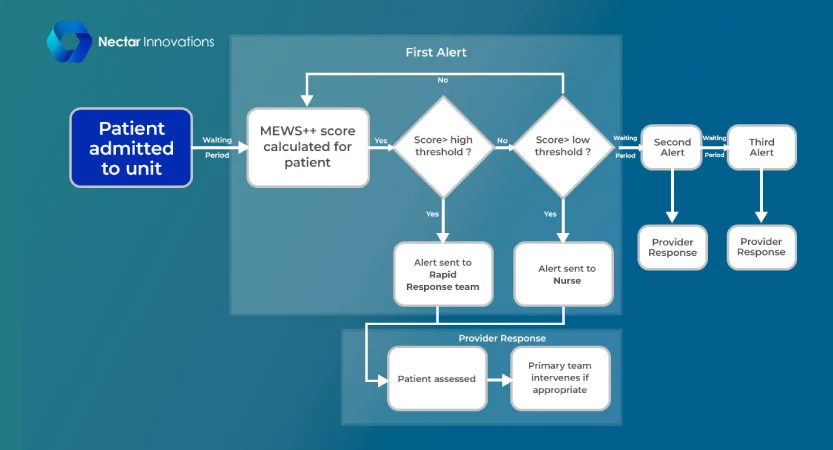
Lab results delivered on time play a vital role in healthcare efficiency. Studies reveal that systems with immediate notifications can cut result acknowledgment times by up to 42%. Healthcare providers now use AI-powered systems that eliminate communication delays which previously slowed clinical decisions and increased patient waiting time.
- Feature Overview
Up-to-the-minute lab result notifications create digital shadows of specimen workflows that monitor the entire testing process. These systems provide:
- Results routed instantly to providers based on patient assignment
- Critical values sent directly to clinicians' smartphones
- Automatic escalation when nobody acknowledges results
- Patients can access their results directly through a portal
The systems also track result delivery with timestamps and read receipts to ensure accountability. One hospital reported their fastest turnaround time from lab information system (LIS) to provider acknowledgment was just seven seconds.
- How It Reduces Wait Times
These notifications speed up clinical workflows in several ways:
- Laboratory process optimization: Digital shadow monitoring paired with process improvements cut median intra-laboratory turnaround time by 10.6% (77.2 min to 69.0 min)
- Faster clinical decisions: ED clinicians received results on their devices and made disposition decisions 18 minutes sooner
- Immediate patient access: More than 95% of patients prefer to see their results right away through the portal, even with abnormal findings, rather than wait for provider review
Implementation data shows these electronic push notification systems helped staff acknowledge 61% of critical results within 5 minutes and 81% within 10 minutes.
- Best Use Cases
Up-to-the-minute lab result notifications work best in:
Emergency departments: Electronic alerts helped clinicians respond faster and improved emergency care efficiency
Intensive care settings: Staff could intervene faster for unstable patients thanks to push notifications for critical values
Outpatient practices: Quick result delivery reduced follow-up calls and eliminated appointment backlogs that were previously needed to discuss results
Multi-location health systems: Staff could monitor results at all facilities while following consistent protocols through centralized notification systems
AI-Driven Patient Routing
Smart routing systems help patients find the best care paths based on what they need. AI-powered patient routing shows a transformation in how healthcare organizations handle patient flow from the time they arrive until they leave.
- Feature Overview
AI-powered patient routing tools use big data and electronic health records to predict and track how patients move through their care trip. These systems can:
- Predict admissions, transfers between departments, and discharge timing
- Analyze tone, urgency, and context in patient communications
- Match patients with appropriate clinical resources
- Route cases automatically by priority and need
Recent systems have connected 2,200 experts in 35 countries and routed cases by urgency with zero downtime.
- How It Reduces Wait Times
AI routing helps cut wait times by distributing patients more efficiently across available resources. Smart triage reviews each patient interaction live and sends routine matters to digital solutions while urgent cases move faster.
Results have been remarkable. Patient routing AI showed a 14% drop in total service costs per patient. The system also balances workloads automatically based on provider availability, which removes bottlenecks that often cause delays.
- Best Use Cases
AI patient routing works best in emergency departments. It reduces ED congestion through better admission planning and discharge coordination. Primary care centers run more smoothly with optimized patient pathways, as one large Finnish healthcare center showed. Health systems with multiple locations can see their entire operation clearly, which prevents the isolated operations that lead to delays.
Smart Waitlist Management
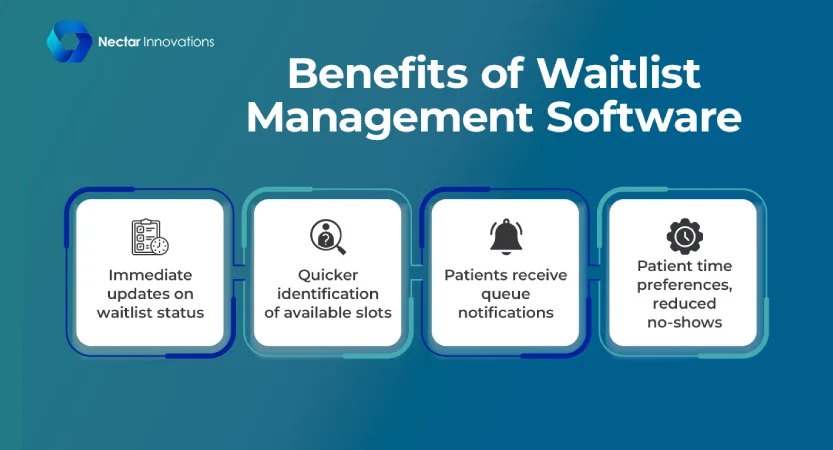
Healthcare practices lose revenue and patient satisfaction due to empty appointment slots. Smart waitlist management has emerged as a vital solution. These intelligent systems fill cancelations automatically and help patients get care faster.
- Feature Overview
Smart waitlist management brings appointments and waitlists together on one platform. AI-powered automation handles both systems efficiently. The core features include:
- Real-time wait predictions: AI algorithms give accurate wait time estimates that cut down actual and expected waiting
- Intelligent matching: The system connects open slots with suitable waitlisted patients based on appointment type, provider preference, and availability
- Multi-channel notifications: Patients get instant alerts through text or email about new openings
- One-click booking: A single tap confirms appointments without phone calls
- Self-service options: Patients can join the list remotely or manage their position on their own
- How It Reduces Wait Times
Smart waitlist management makes waiting times shorter in three ways:
- Automatic gap filling: The system spots cancelations right away and alerts waitlisted patients to fill empty slots
- Dynamic time estimates: Live updates keep patients informed and make wait times feel shorter
- Prioritized scheduling: AI sorts patients by urgency, time spent waiting, or loyalty status
Results show this automation cuts walkouts by 15-30%. Restaurants using similar technology saw a 24% drop in perceived wait times.
- Best Use Cases
These systems work especially well in specific healthcare settings:
Primary care practices: Same-day cancelations get filled automatically to keep patient flow steady Specialty clinics: Best Buy Canada used virtual waitlists in 169 stores to improve customer flow High-volume centers: Mayo Clinic found better communication leads to improved outcomes and satisfaction
Ready to boost your practice's efficiency with smart waitlist management? with our experts to learn about implementation options.
Mobile Patient Engagement Apps
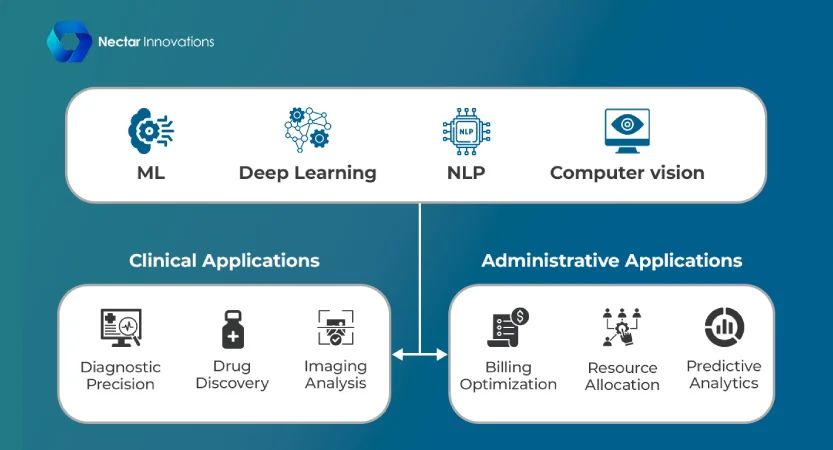
Mobile health apps have transformed modern healthcare. About 40% of US adults now use these applications to manage their health. These pocket-sized tools serve as the life-blood of patient care and create efficient experiences that cut wait times drastically.
- Feature Overview
Mobile patient engagement apps offer complete functionality through a single platform:
- Appointment scheduling capabilities eliminate phone calls and reduce administrative burdens
- Secure messaging with healthcare providers for private discussions about health concerns
- Telehealth integration enables virtual consultations, especially valuable for remote areas
- Medical records access provides patients with immediate visibility into their health information
- Medication management tools with timely reminders to improve treatment adherence
These apps support health conditions of all types and remain available to users. Many apps are free and help anyone who wants to improve their health.
- How It Reduces Wait Times
Patient engagement apps affect wait times through several key features:
- Automated administrative tasks eliminate time spent on phone calls and reduce hold times completely
- Pre-visit documentation allows patients to complete forms before arrival
- Direct appointment booking eliminates scheduling delays, and 55% of consumers prefer app-based management of healthcare appointments
The results speak for themselves. A hospital using AI-assisted mobile triage saw median waiting time drop from 1.97 hours to just 0.38 hours.
- Best Use Cases
Mobile apps excel in various healthcare environments:
Primary care practices run more efficiently with better scheduling and less paperwork. Patients with chronic diseases receive better care through remote monitoring. Rural healthcare facilities overcome distance barriers with telehealth and virtual care options.
AI-Enhanced Remote Monitoring
AI-integrated remote patient monitoring is changing healthcare delivery by tracking patients' health from their homes. The numbers tell an impressive story - by 2030, RPM technology will serve over 142 million U.S. patients, about 40% of the population.
- Feature Overview
Modern remote monitoring systems with AI capabilities gather up-to-the-minute health data through multiple channels:
- Wearable devices that track vital signs
- Smartphone cameras that analyze skin conditions
- IoT sensors that track patient movement
- Predictive algorithms that analyze data continuously
These systems do more than collect data - they spot subtle health changes before symptoms worsen. AI algorithms have shown remarkable accuracy in cardiovascular monitoring, with ECG-based arrhythmia detection leading the market at 59.4%.
- How It Reduces Wait Times
Several key mechanisms help AI remote monitoring cut down wait times:
- Early intervention capabilities - The system spots signs of health issues before emergency care becomes needed
- Reduced hospital admissions - Programs cut hospitalizations by 30%
- Optimized resource allocation - AI triage guides patients to appropriate care levels
Healthcare settings report a weighted mean reduction of 25.4 days in waiting times after implementation.
- Best Use Cases
AI remote monitoring works best with chronic disease management, especially cardiovascular conditions where 74% of AI RPM solutions concentrate. Elderly care sees significant benefits through fewer unnecessary hospital visits. Rural healthcare also gains substantial advantages as telemedicine helps reach areas that cannot support local healthcare centers.
Personalized Health Content Delivery
"Personalized interventions increase medication adherence by up to 30%." — Riseapps, AI healthcare development firm, patient engagement specialist
Customized health content transforms patient experiences, as 77% of consumers want to complete pre-visit questionnaires online. AI-powered health content delivery matches medical information to each patient's needs, which cuts down visits and makes care more efficient.
- Feature Overview
Customized health content systems deliver targeted health information through:
- Condition-specific education matched to diagnostic codes
- Procedure preparation materials for upcoming appointments
- Targeted wellness campaigns for preventive care
- Batch outreach for population cohorts with similar needs
These AI systems create customized experiences by analyzing patient data, including demographics, medical history, and previous interactions. To cite an instance, AI can tag educational content to specific coded conditions or claims while protecting patient privacy.
- How It Reduces Wait Times
Customized content cuts down wait times by delivering the right information when needed:
- Patients arrive with completed documentation
- Pre-visit education cuts down explanation time
- Proper procedure preparation stops last-minute cancelations
Research shows that AI-powered modules help patients order the right tests before doctor visits and cut median waiting time from 1.97 hours to 0.38 hours. On top of that, customized content led to a 30% drop in hospitalization days for frail patients.
- Best Use Cases
Customized content delivery shows excellent results in several areas:
Chronic disease management sees remarkable benefits—diabetic patients receiving targeted content showed lower HbA1c levels within six months. Pre-surgical education helps patients prepare for procedures and reduces complications on the day of surgery.
Integrated EHR Communication Tools
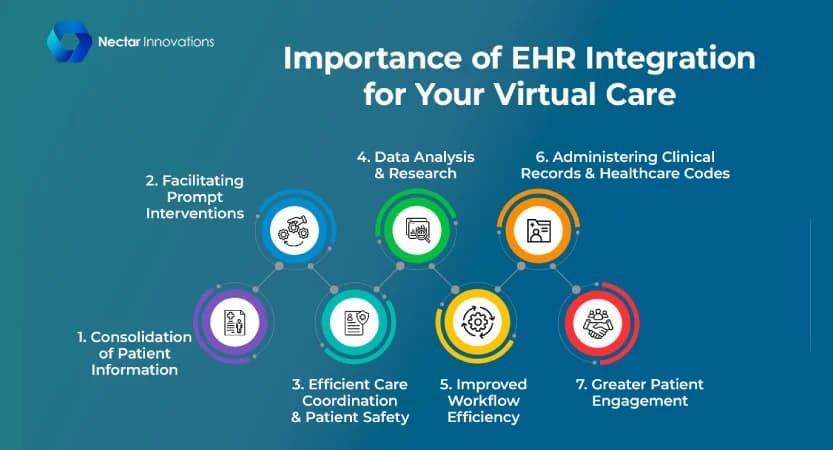
Healthcare systems still struggle with communication challenges. Physicians point to poor tools as major barriers when providing timely patient care. EHR communication tools that combine with patient information systems create smooth data exchange points and cut down administrative work substantially.
- Feature Overview
Modern integrated EHR communication systems offer these essential capabilities:
- Two-way messaging replaces outdated one-way pager technology, allowing instant response without requiring providers to find computers
- Real-time data synchronization between systems, with some integrations updating every 10-15 seconds
- Secure API connections supporting HL7v2, FHIR, and proprietary interfaces
- Bi-directional data flows that automatically update demographics, insurance information, and clinical documentation
These systems do more than just send messages. Front-desk staff can access appointment details during conversations while nurses check patient history during calls.
- How It Reduces Wait Times
EHR communication tools help cut wait times in several ways:
Staff can instantly access patient information from one screen when communication tools connect to EHR systems. The proper EHR integration optimizes administrative workflows and eliminates duplicate data entry that often delays care.
One emergency department cut wait times by implementing an EHR framework that tracked pending lab results to speed up patient discharge. Doctors also suggested replacing pagers with two-way communication devices to speed up information exchange needed for diagnosis.
- Best Use Cases
Primary care clinics have made use of these integrated tools to spot patients with malfunctioning cardiac devices by analyzing EHR data for warning signs. Want help setting up similar solutions? with our experts to explore options for your practice.
While these advances help, doctors emphasize that message systems should let users "triage" by importance to minimize interruptions during diagnosis.
Comparison Table
| AI Feature | Main Function | Benefits | Wait Time Effect | Results | Where It Works Best |
|---|
| AI-Powered Appointment Scheduling | Books appointments automatically 24/7 | - Connects patients with suitable providers- Shows best available times- Handles cancelations as they happen | Wait times dropped from 1.97 to 0.38 hours | - 33% better schedule use- Admin work cut by half | - City hospitals- Specialty clinics- Mental health centers |
| Automated Patient Reminders | Sends timely messages through multiple channels | - Works with SMS, email, voice- Allows two-way messages- Links with patient records | Fewer last-minute cancelations and no-shows | - No-shows dropped from 35% to 6%- 75-85% of empty slots filled | - Family doctors- Specialty clinics- Children's practices |
| Predictive No-Show Analytics | Tells which patients might miss appointments | - 86% accurate predictions- Shows risk levels- Live dashboard updates | Saves 5.7 minutes per visit | - No-shows fell from 20.82% to 10.25%- Saved 6,456 hours in 3 months | - Primary care offices- Specialty clinics- Public health centers |
| AI Chatbots for Triage | Checks symptoms and guides patients | - Always available- Speaks multiple languages- Collects data automatically | Wait times down by 15% | Handles 80% of common questions | - Emergency rooms- Primary care centers- Mental health clinics |
| Self-Service Digital Check-In | Lets patients register online without paper | - Multiple ways to access- No paper needed- Built-in payments | Wait times down 40% | Patients check in 20% faster | - Emergency departments- Family doctors- Specialty clinics |
| Voice AI for Patient Engagement | Talks naturally with patients | - Works in many languages- Connects to health records- Available 24/7 | Manual work reduced 30% | 99% accurate medical advice | - Patient screening- Long-term care- Office tasks |
| Live Lab Result Notifications | Shows test results instantly | - Quick alerts- Auto-escalation- Patient access | Lab results 10.6% faster | 61% of urgent results seen within 5 minutes | - Emergency rooms- ICU- Outpatient clinics |
| AI-Driven Patient Routing | Guides patients to right care paths | - Predicts hospital needs- Ranks cases by urgency- Matches resources | Costs per patient down 14% | Perfect uptime across 2,200 experts in 35 countries | - Emergency rooms- Primary care- Multi-site networks |
Key Takeaways
Healthcare organizations implementing AI patient engagement tools are achieving remarkable efficiency gains, with some facilities cutting wait times by up to 50% while improving patient satisfaction and operational outcomes.
- AI scheduling systems reduce wait times from 1.97 hours to 0.38 hours by automating 24/7 booking, predicting no-shows, and optimizing provider schedules with 33% better utilization.
- Automated reminders slash no-show rates from 35% to 6% through multi-channel notifications, enabling practices to fill 75-85% of canceled slots with waitlisted patients.
- Self-service digital check-in delivers 40% faster processing by eliminating paperwork, enabling remote registration, and freeing staff to focus on complex patient needs.
- AI chatbots handle 80% of routine queries while reducing consultation wait times by 15%, providing 24/7 triage support with 99% medical accuracy.
- Predictive analytics identify high-risk appointments with 86% accuracy, allowing proactive interventions that reduce no-shows by over 50% and save thousands of staff hours.
The most successful implementations combine multiple AI tools—such as predictive scheduling with automated reminders and digital check-in—creating comprehensive patient engagement platforms that transform the entire care experience from booking to discharge.
FAQs
- How can AI-powered appointment scheduling reduce patient wait times?
AI scheduling systems can reduce wait times by automating the booking process 24/7, predicting no-shows, and optimizing provider schedules. Some implementations have shown a reduction in median wait times from 1.97 hours to just 0.38 hours.
- What impact do automated patient reminders have on no-show rates?
Automated reminders sent through multiple channels (SMS, email, voice) can significantly reduce no-show rates. Some healthcare practices have seen no-show rates drop from 35% to just 6% after implementing these systems.
- How effective are AI chatbots in handling patient queries?
AI chatbots have demonstrated the ability to handle up to 80% of routine healthcare queries. This capability can lead to a 15% reduction in consultation wait times by providing 24/7 triage support and answering common questions.
- What benefits does self-service digital check-in offer?
Self-service digital check-in can decrease overall wait times by 40%. It enables remote registration, eliminates paperwork, and allows for faster processing, resulting in a 20% quicker check-in time compared to traditional methods.
- How do real-time lab result notifications improve healthcare efficiency?
Real-time lab result notifications can reduce lab turnaround times by 10.6%. These systems enable push notifications for critical results, with studies showing that 61% of critical results can be acknowledged within 5 minutes of being available.



 by
by