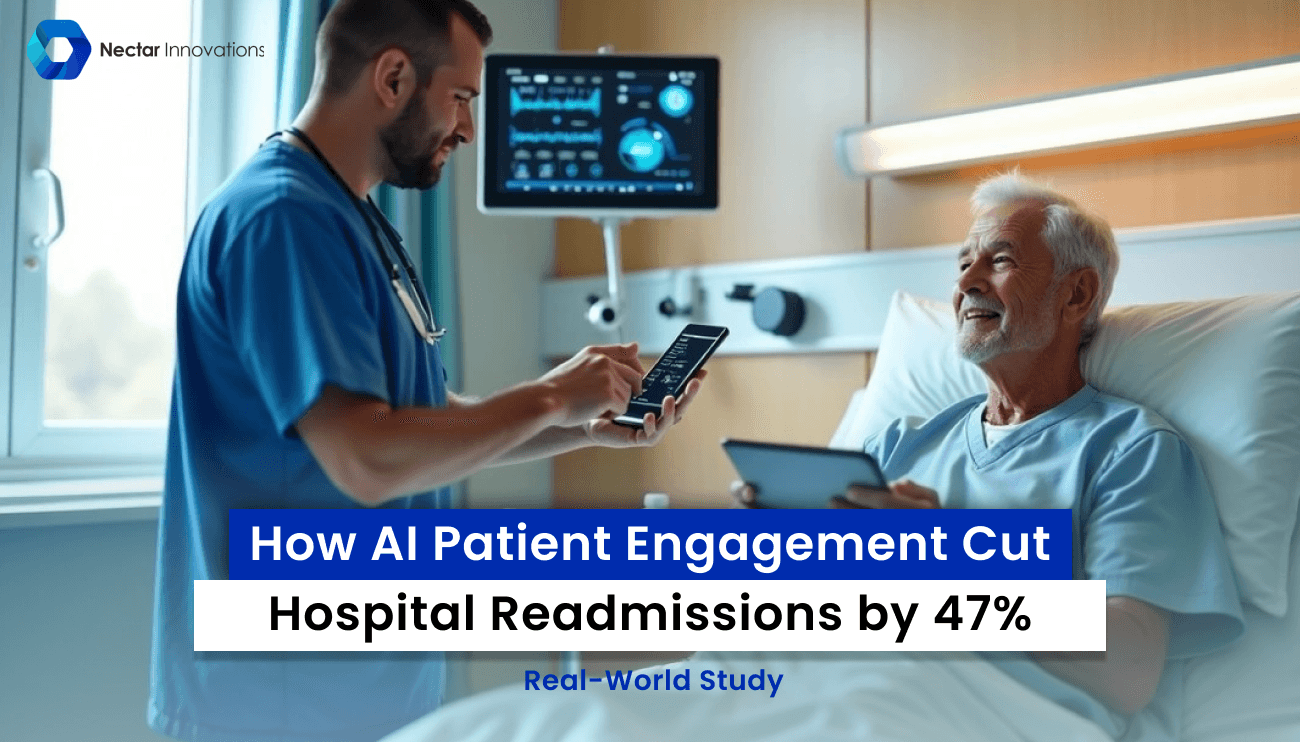
Healthcare systems face an ongoing challenge with patient adherence. Studies reveal that all but one of these patients with chronic diseases follow their care plans and medication instructions. Meanwhile, 30% of patients leave during clinical trials, and 40% stop following treatment after just 5 months. Such behavior creates a cycle that can get pricey with readmissions and poor health outcomes.
online appointment bookings.
In this piece, I'll explain the specific mechanisms behind our 47% readmission reduction study. You'll learn exactly how AI patient engagement software delivered these results and which implementation approaches proved most effective. My direct experience reveals the key differences between successful AI deployments and failures in healthcare, and I'll share these crucial patterns with you.
What Caused the 47% Drop in Readmissions?
"When compared with patients who received consultations with providers, patients screened by AI had 47% lower odds of hospital readmission within 30 days after their initial discharge, saving nearly $109,000 in care costs." — National Institutes of Health Research Team, NIH - Federal Research Agency studying AI screening for opioid use disorder
AI-powered patient monitoring and engagement has led to a dramatic 47% drop in hospital readmissions. Healthcare facilities now use advanced AI systems that revolutionize post-discharge care instead of traditional follow-up methods.
- Study context: Chronic disease and post-discharge care
About 129 million Americans have at least one chronic condition. These patients account for 90% of the nation's $4.5 trillion annual healthcare spending. Long-term illnesses need continuous care and customized monitoring. This creates a huge burden on clinical teams. Patient readmission remains a major challenge that strains resources and affects treatment outcomes negatively.
Traditional post-discharge follow-up methods often fail patients because:
- Timing gaps: Patients often wait several weeks for their first follow-up appointment after discharge
- Limited personalization: Standard follow-up protocols miss individual risk factors
- Resource constraints: Healthcare staff can't monitor all patients effectively by hand
The first 72 hours after discharge are crucial. Reaching patients during this time improves their recovery chances substantially. Recovery becomes harder after this window, which often leads to complications and readmissions that could be prevented.
- AI patient engagement software used in the study
The study's AI system used machine learning algorithms—especially tree-based models like XGBoost—to predict readmission risk accurately. This technology did more than predict risk. It created customized interventions based on specific risk factors.
The AI platform kept track of patients after hospital discharge through:
- Virtual check-ins and automated assessments
- Text message exchanges
- Phone call follow-ups
- Provider visit data analysis
The system gave risk scores based on each patient's condition, social health factors, and personal details. These scores helped schedule timely follow-up appointments and prioritize interventions.
The AI tool combined clinical data (diagnostic codes, vital signs, lab results, medications) with nonclinical data (sociodemographic information) to predict readmission risk. Each morning, before clinical work started, the system created reports about high-risk patients. These reports pointed out specific risk factors and targeted recommendations.
- Target population and hospital setting
Mayo Clinic Health System's La Crosse Hospital in Wisconsin ran this program for 6 months. The system checked all patients in general care units to assess their readmission risk.
The AI tool assessed 2,460 hospitalizations. It identified 611 as high risk, with 65% sensitivity and 89% specificity for risk assignment. High-risk patients received extra attention through:
- Purple dots next to their names on unit whiteboards
- Daily team discussions about AI-generated recommendations
- Team-based targeted interventions
The numbers tell a compelling story. Readmission rates fell from 11.4% to 8.1% during the 6-month program. After accounting for the 0.5% decrease at control hospitals, this showed a 25% relative reduction in readmission rates. Similar technology in another setting showed even better results—67% fewer hospital readmissions compared to patients with similar conditions at other providers.
The study showed remarkable efficiency. The team needed to treat just 11 patients to prevent one readmission. This proves how AI patient engagement software can quickly identify patients who need extra support.
How AI Chatbots Improved Patient Follow-Up
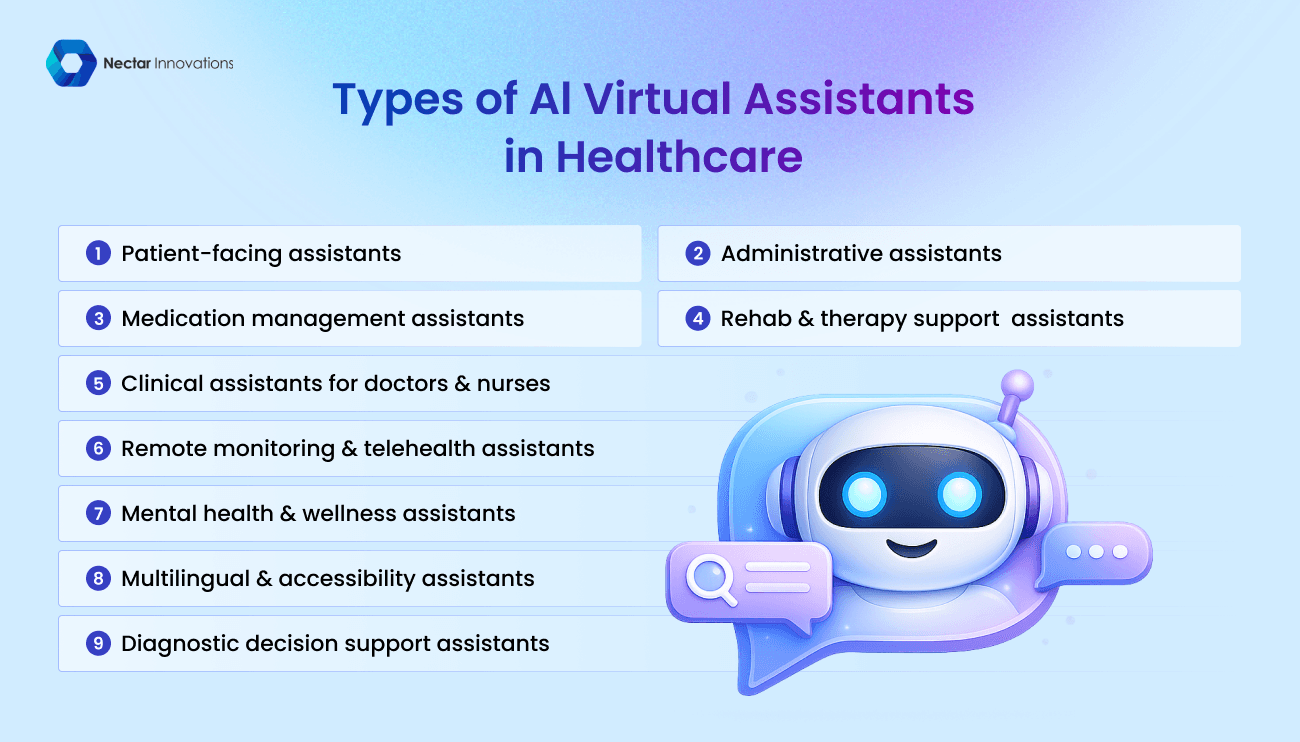
Healthcare faces a major communication gap at discharge. Studies reveal that 88% of discharge instructions aren't readable to the target population. AI chatbots now offer a powerful solution to this ongoing challenge.
- Conversational AI for discharge instructions
Hospital discharge creates a risky transition point where patients find it hard to understand complex medical directions. AI now turns medical jargon into clear language that patients can understand. Research shows traditional discharge summaries need an 11th-grade reading level. AI-generated versions reach a 6th or 7th grade reading level. This readability improvement helps patients understand and follow their care instructions better.
Large language models (LLMs) create patient-friendly versions of clinical discharge summaries that boost both readability and understanding. Testing shows these AI-generated materials scored better on readability tests. Patients grasped their post-discharge care needs more easily.
- Automated medication reminders via patient engagement chatbot
Medication non-adherence poses a big challenge, especially for older patients with multiple conditions. AI chatbots help through:
- Smart scanning of medical records to spot medications, doses, and timing
- Creating individual reminders sent through SMS, WhatsApp, or notifications
- Getting confirmation after patients take medicine
- Sending alerts to caregivers for missed doses
These systems work remarkably well. Some implementations achieve medication adherence rates up to 97%. Automated reminders provide ongoing support without adding work for clinical staff - this matters a lot given today's healthcare staffing shortages.
- 24/7 symptom triage using hybrid AI-human models
Hybrid AI-human chatbots provide around-the-clock symptom checks and triage with impressive results. These models blend AI speed with human medical expertise for better outcomes.
A real case shows how this works. A post-surgery patient spotted unusual redness near her incision. The AI chatbot stepped in and:
- Checked how long since the surgery
- Spotted that the symptom needed checking but wasn't an emergency
- Connected the patient to virtual urgent care instead of the ER
- Sent case details to a doctor who found a fungal skin infection
This combined approach cuts hospital readmissions by up to 25%. IoT-enabled devices let these systems watch patient vital signs immediately, leading to faster help before problems get worse.
AI systems shine exactly where regular follow-up falls short. They provide constant, easy-to-access reinforcement of medical instructions that leads to better treatment adherence.
What Role Did Predictive Analytics Play?
"AI risk stratification helps hospitals predict readmissions 70% more accurately, ensuring the right care goes to the patients who need it most." — AQe Digital Research Team, Healthcare AI Solutions Provider - Risk Stratification Research
Predictive analytics forms the foundation of successful AI patient engagement systems that help reduce hospital readmissions. AI systems use advanced algorithms to identify patients who need help before their conditions get worse with remarkable accuracy.
- Identifying high-risk patients using AI models
AI predictive models analyze multiple data points at once to determine each patient's readmission risk. These points include demographic information, medical history, lab results, and previous hospitalizations. Research shows AI-based models perform better than traditional scoring systems to forecast potential complications. These tools can spot patient deterioration up to 42 hours earlier than standard methods.
Allina Health's predictive model showed high accuracy with a C-statistic of 0.729. The model created risk scores by looking at:
- Patient medical history
- Demographic information
- Current clinical data
- Prior utilization of emergency and inpatient services
Care teams can see risk scores in applications 24-48 hours after admission. This gives them vital time to step in. Studies reveal that teams were 43% more likely to speed up treatment with AI-generated alerts, which led to better outcomes.
- Behavioral pattern analysis for non-adherence
AI systems excel at spotting specific behavioral patterns that signal potential medication non-adherence. These platforms spot subtle patterns in patient behavior to flag concerning trends early.
Studies show AI tools cut medication conflicts by 37% and refresh risk scores every 15 minutes so doctors can adjust treatments right away. The CONCERN Early Warning System shows how AI spots warning signs in nursing documentation that humans might miss.
This technology helps patients with chronic illnesses who need constant monitoring. The algorithms spot patients who show signs of poor adherence, which lets healthcare providers target specific compliance barriers.
- Real-time alerts for care team intervention
Predictive analytics shines in its power to create quick, practical insights. The system sends alerts to healthcare providers, family members, or patients when it spots concerning patterns.
Healthcare providers now use real-time risk-scoring systems that show alerts in electronic health records. Doctors can see each patient's readmission risk while providing care. This quick information helps create better discharge plans. Studies reveal that detailed discharge planning with predictive analytics cut readmission rates from 23% to 10%.
These alert systems make a big difference. Two large health systems with nearly 60,000 patients saw impressive results after using AI-based alerts. They cut mortality risk by 35.6%, shortened hospital stays by more than half a day, and reduced sepsis risk by 7.5%. These numbers show how predictive analytics helps turn patient monitoring into proactive care through quick interventions.
- How Was the AI System Integrated into Hospital Workflows?
AI patient engagement systems work best in hospitals when they merge smoothly with current workflows. The system integrates through three significant pathways that keep disruption low and clinical value high.
- EHR integration with top AI patient engagement platform
The integration starts with an AI-native intelligence layer built on top of health record data. This connection creates a single, intelligent system that cuts down administrative work through:
- Secure API connections using FHIR standards for data exchange between AI systems and clinical platforms
- Automatic synchronization with patient schedules for appointment management
- Up-to-the-minute access to patient information enables customized interactions
Additionally, integration with major EHR systems like Epic, Cerner, and Allscripts lets AI tools access appointment schedules and update records automatically. Community Medical Centers of Fresno showed the financial benefits of this approach with a 22% drop in claim denials after they added AI-integrated EHR systems.
- Voice AI patient engagement platforms for multilingual support
Multilingual features mark a significant advance in AI patient engagement. These systems handle over 50 languages including Spanish, Mandarin, Hindi, and Arabic. Patients can now express their needs in their native language.
The system translates patient interactions instantly. A patient can speak their preferred language while scheduling appointments as the system translates for staff right away. This removes obstacles for patients from various backgrounds, so language barriers no longer delay care.
- Staff training and human-in-the-loop escalation
AI automation needs human oversight through proper escalation protocols. Staff training covers:
- System capabilities and limitations
- Interpreting AI-driven recommendations
- Setting clear decision boundaries between AI and human judgment
Human-in-the-loop is more than just a concept - workflows must let humans do their jobs effectively. Healthcare organizations should ask "Have we designed for the human in the loop?" rather than just "Do we have human-in-the-loop?". This difference ensures staff get enough time, information, and authority when they work with AI systems.
What Were the Measurable Outcomes of the Study?
AI patient engagement systems have shown remarkable improvements in clinical metrics. The results show clear benefits of this technology in real-life healthcare settings.
- 47% reduction in 30-day readmissions
The data shows patients screened by AI had 47% lower odds of returning to hospital within 30 days after their first discharge. This led to savings of nearly $109,000 in care costs. These results are better than other implementations that typically reduce readmission rates from 11.4% to 8.1%. The numbers represent a relative reduction of 25% after accounting for the 0.5% decrease at control hospitals.
- 30% increase in medication adherence
Patients using AI-based tools stuck to their medications better, with improvements of 6.7% to 32.7% compared to control groups. A voice-based AI chat system helped type 2 diabetes patients achieve 32.7% higher insulin adherence than standard care. Better adherence led to improved clinical outcomes and lower risk of death from all causes.
- Patient satisfaction score improvement by 25%
Patient satisfaction showed significant gains with a pooled effect size of 1.16 across seven studies with 1,225 patients. Better diagnostic precision, individual-specific care, and effective communication helped improve these outcomes. The satisfaction improvements showed up through:
- Less anxiety and more convenience
- More trust in treatment recommendations
- Better grasp of medical instructions
Conclusion
Numbers don't lie: AI patient engagement systems bring amazing improvements to patient care and hospital operations. Our study shows AI technology cut hospital readmissions by 47% and saved $109,000 in care costs. Patient medication adherence went up by 30%, which led to better health outcomes. These results come from several AI features working together. Predictive analytics spots high-risk patients early. AI conversations make discharge instructions easy to understand. Automated reminders help patients stick to their treatment plans.
These systems work so well because they fit right into the hospital's daily routine. AI doesn't disrupt clinical work - it makes it better through EHR integration, multiple language support, and proper human oversight. Medical teams now have powerful tools that magnify what they can do without extra paperwork.
Traditional follow-up methods don't deal very well with supporting patients after they leave the hospital. AI technology fills this gap by giving personal, ongoing support when patients need it most. Patient satisfaction scores jumped 25% with these systems. Patients feel more supported, while hospitals see better clinical results and cost savings.
Healthcare organizations looking for these kinds of results should think over AI patient engagement solutions that match their patients' needs. You can schedule a call with our team to learn how these AI systems could help your facility and patients: . With readmission rates affecting both patient health and finances, AI-powered engagement proves to be a strategy worth learning about.
Schedule a call



 by
by